

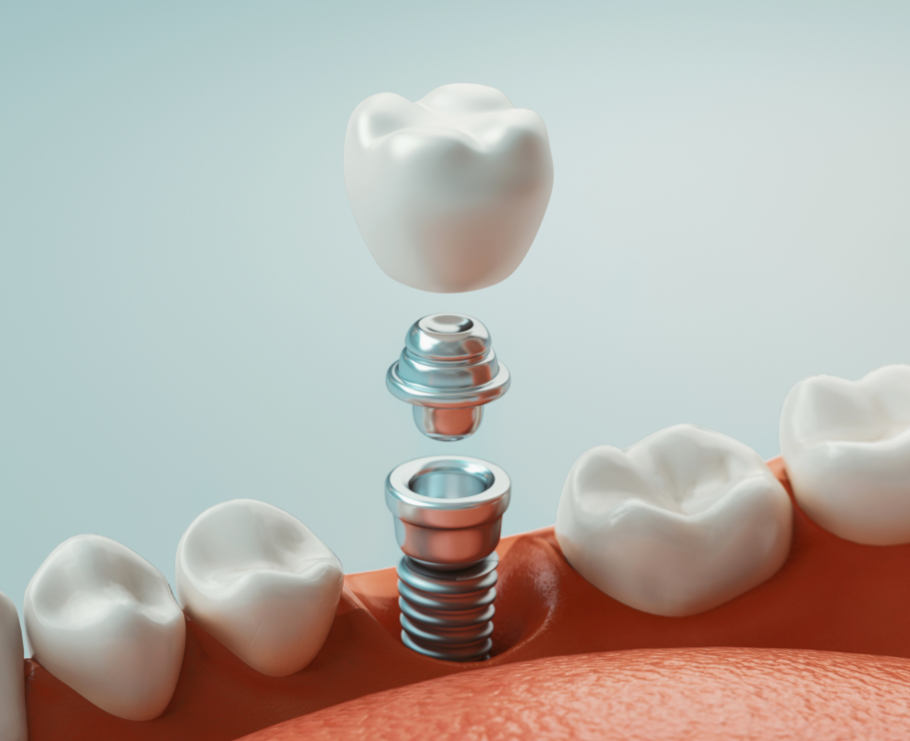
Dental implants are widely known for their strength, durability, and long-term success. Because implants are made of metal, it’s natural for patients to wonder whether they can rust over time. The short answer is that while corrosion is theoretically possible with some metals, modern dental implants are designed to resist rust and function safely in the oral environment for decades.
What Dental Implants Are Made Of
Most dental implants are made from titanium or titanium alloys. Titanium is used because it is strong, lightweight, and highly compatible with the human body. One of its most important properties is its ability to bond with bone through a process called osseointegration, which helps anchor the implant securely in the jaw.
Some newer implants may also be made from zirconia, a ceramic material that contains no metal at all. Both titanium and zirconia are chosen specifically for their resistance to corrosion and breakdown.
Why Rust Is Unlikely in the Mouth
Rust typically forms when iron reacts with oxygen and moisture. Titanium does not contain iron, so it does not rust in the traditional sense. Instead, titanium forms a thin, protective oxide layer when exposed to oxygen. This layer acts as a shield, preventing further chemical reactions and protecting the implant from corrosion.
The oral environment is moist and exposed to changes in temperature and pH, but titanium’s protective properties make it well-suited to withstand these conditions without degrading.
Can Dental Implants Corrode at All?
While true rusting is extremely unlikely, minor corrosion can theoretically occur under specific circumstances. Factors such as exposure to very acidic environments, poor oral hygiene, or the interaction of different metals in the mouth may contribute to surface changes over time. However, these cases are rare and typically do not affect the overall stability or safety of the implant.
Proper implant placement, high-quality materials, and regular dental care significantly reduce the already low risk of corrosion.
How Oral Hygiene Plays a Role
Maintaining good oral hygiene is important for protecting both natural teeth and dental implants. Plaque buildup and gum inflammation can expose implant surfaces to bacteria and acids, which may contribute to complications around the implant site. Brushing, flossing, and attending routine dental visits help keep the surrounding tissues healthy and support the long-term success of the implant.
Signs of Implant Problems to Watch For
Implant-related issues are more often linked to gum or bone health rather than the implant material itself. Symptoms such as persistent swelling, discomfort, or loosening around the implant area should be evaluated promptly. These signs are not typically related to rust, but they may indicate infection or changes in bone support that need attention.
Why Implant Materials Matter
The materials used in modern dental implants are the result of decades of research and clinical success. Titanium and zirconia are selected specifically because they resist corrosion, integrate well with bone, and remain stable over time. This makes dental implants one of the most reliable and long-lasting tooth replacement options available today.
With proper care and high-quality materials, dental implants are designed to stay strong and functional for many years.
About the Practice
BPS Periodontics in Farmington and Simsbury provides specialized care for patients seeking advanced implant solutions. Our advanced periodontics team uses proven materials and precise techniques to ensure long-term implant success. Through personalized treatment planning and ongoing care, we restore healthy, confident smiles for years to come.
Call us at (860) 677-8747 or request an appointment online.